A shipping container may look simple, but its weight, center of gravity, and ground conditions make moving it risky without proper equipment. This guide covers professional and DIY methods, safety checks, and when you must hire a professional team.
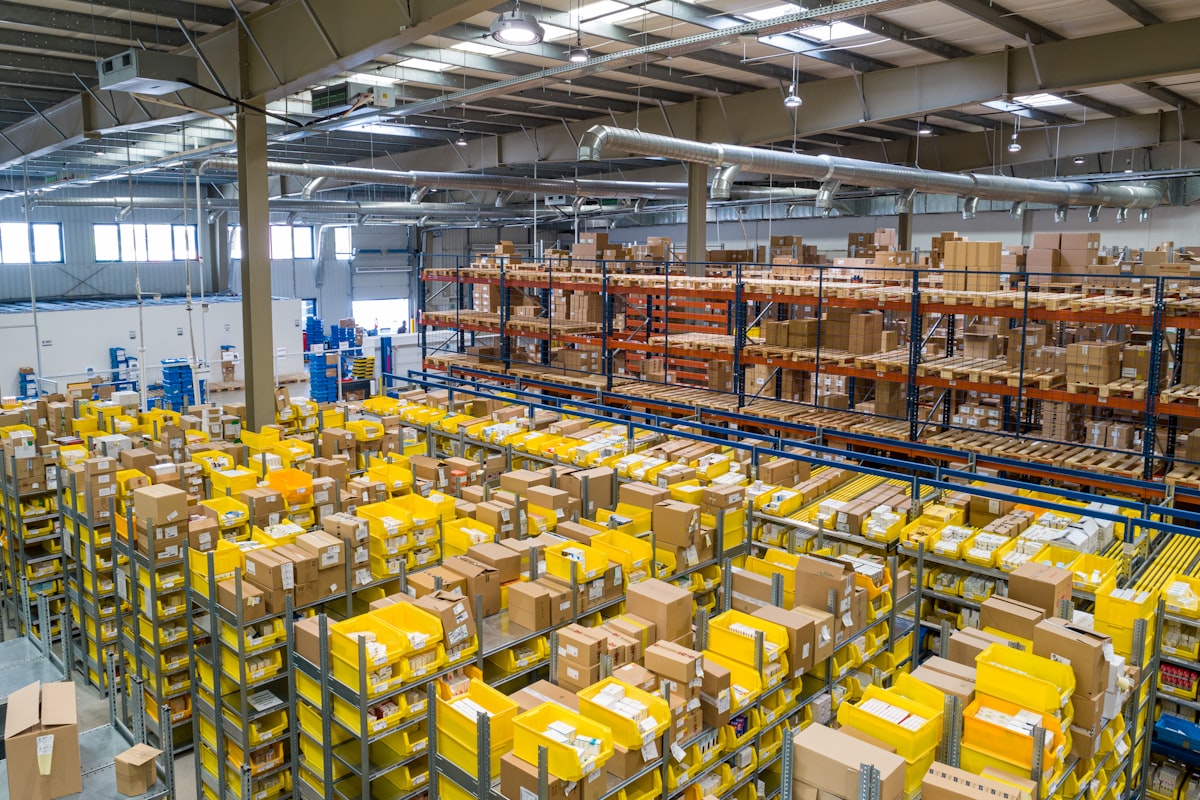
The Bottom Line: Not Every Container Can Be "DIY Moved"
20-foot and 40-foot containers have significant self-weight and shifting center of gravity. Empty, lightly loaded, and fully loaded containers have completely different difficulty levels. Without cranes, forklifts, side loaders, or tilt-bed trailers, some short-distance positioning can be done with rollers, pry bars, dollies, and toe jacks — but only for low-speed, short-distance, level ground, and manageable weight scenarios.
Professional Heavy Equipment Methods
When budget and site conditions allow, professional equipment is always the safest and most efficient choice.
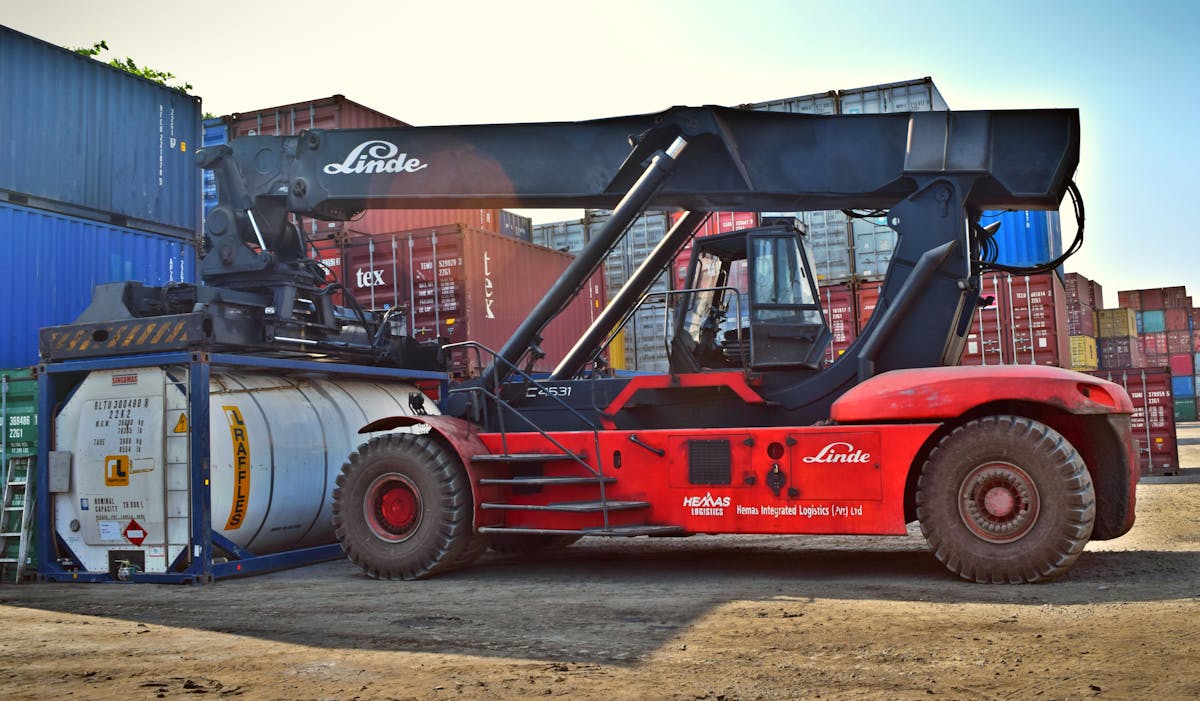
Forklift
Best for short-distance moves within warehouses and yards. Typically suitable for 20-foot or lighter containers. 40-foot containers require higher capacity and longer forks — never use a standard warehouse forklift for these.
Crane
Ideal for lifting 20ft/40ft containers, especially when crossing obstacles, precise placement, or loading/unloading trucks. Drawbacks include higher cost and the need for professional operators and sufficient safety clearance.
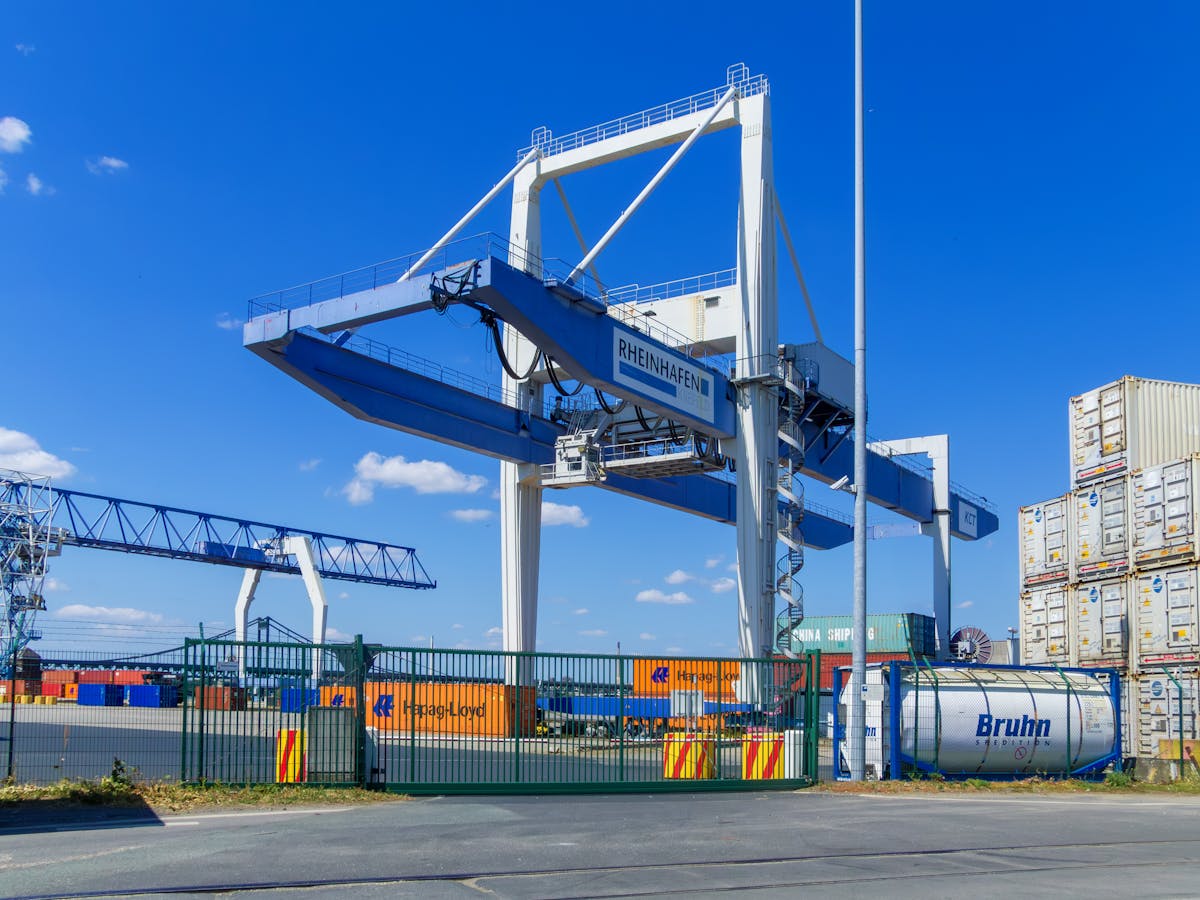
Side Loader
Perfect for tight spaces where containers need to be loaded/unloaded from the side. Common at urban delivery points, yards, and warehouse entrances.
Tilt-Bed Trailer
The trailer bed tilts to let the container slide off. Good for short-haul transport and on-site drop-off, but requires sufficient straight-line space.
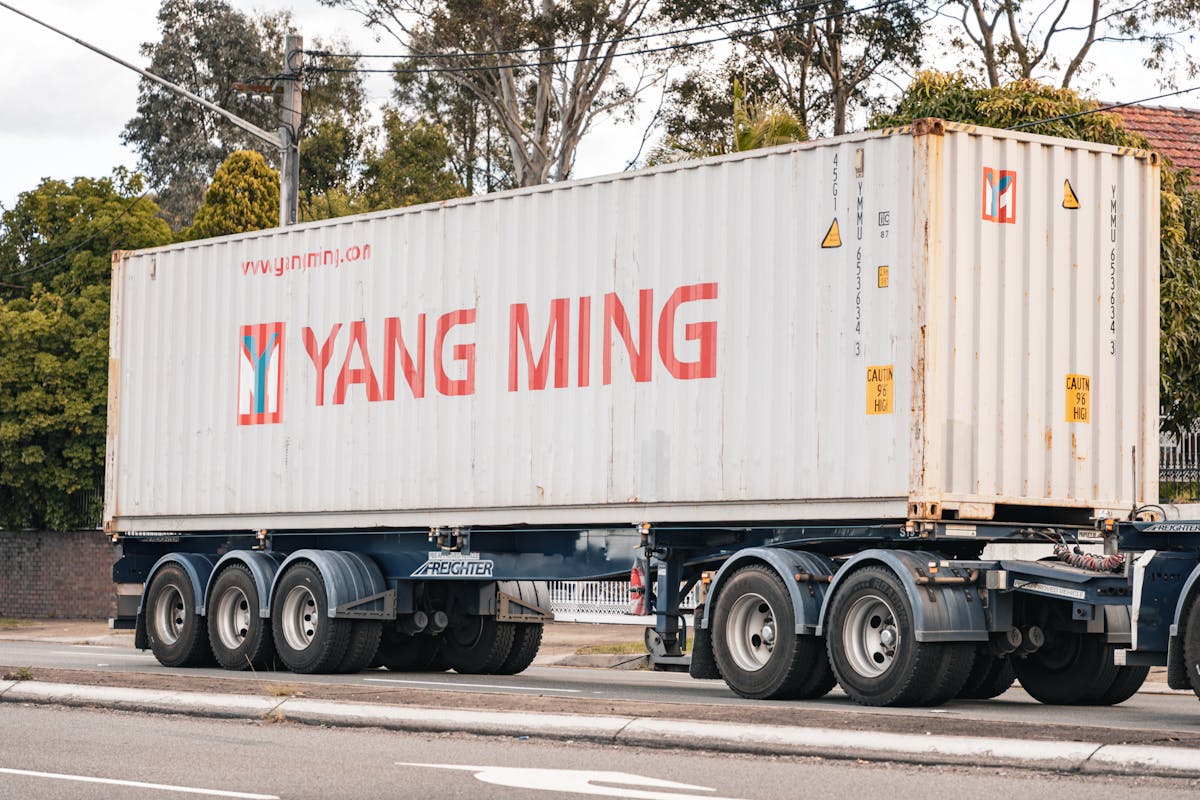
Flatbed Truck
Cost-effective for medium to long-distance transport, but loading/unloading at both ends usually requires additional equipment (forklift, crane, etc.).
Methods Without Heavy Equipment
Warning: These methods are only suitable for short-distance, low-speed, empty or lightly loaded container positioning. Do NOT attempt with full containers, slopes, soft ground, public roads, or crowded areas.
1. Pry Bar + Rollers / Steel Pipes
Use a pry bar or jack to slightly lift one end, place steel pipes or rollers underneath to reduce friction, then slowly push or pull. The key is maintaining balance — prevent the container from sliding, tipping, or crushing personnel.
2. Container Dollies
Dollies placed at corner points or bottom supports allow a small team to push or pull. More controllable than bare rollers, but requires hard, level, dry ground with no potholes, gravel, or significant slope.
3. Toe Jack
A toe jack lifts one corner or end slightly — it's a positioning aid, not a moving tool. Used to insert rollers, dollies, or cribbing underneath. Always verify load capacity and support point stability.
4. Winch / Pulley / Tow System
With sufficient anchor points, pulleys or winches provide mechanical advantage for fine-tuning position. All anchors, cables, ropes, and connectors must be rated for the load, and nobody should stand in the pull direction.
5. NOT Recommended: Pulling with a Pickup Truck
Dragging a container with chains behind a vehicle risks damaging the vehicle, ground surface, and container underframe. Chain breakage, loss of vehicle control, and personal injury are real dangers. Unless verified by professionals, avoid this approach.
10 Safety Checks Before Moving
- Empty or loaded? Full containers are a completely different challenge.
- Is cargo secured inside? Shifting cargo changes the center of gravity.
- Is the ground firm and level? Mud, gravel, slopes, and potholes dramatically increase risk.
- Sufficient clearance? Check all sides, turning space, overhead wires, doors, fences, and ramps.
- Tool ratings adequate? Verify rated capacity of rollers, dollies, jacks, chains, and cables.
- PPE worn? Safety boots, gloves, hard hat, and high-vis vest are minimum requirements.
- Single commander? Multi-person operations need one person giving directions.
- Exclusion zones set? Nobody stands in the movement path or load direction.
- Public road or neighboring property involved? May require permits or permissions.
- What if it gets stuck? Have a stop plan ready — don't improvise under pressure.
When to Hire Professionals
Call a professional drayage, lifting, or transloading team when:
- 40ft, 45ft containers or unknown weight
- Container is loaded — especially heavy cargo, machinery, stone, metal, liquids, or irregular items
- Any road transport, even a short distance across the block
- Pickup from port, rail yard, CFS, or warehouse
- Site has slopes, soft ground, tight access, low doorways, fences, or overhead lines
- Precision placement, stacking, crossing obstacles, or elevated platform delivery
- No forklift/crane on-site and no experienced operators available
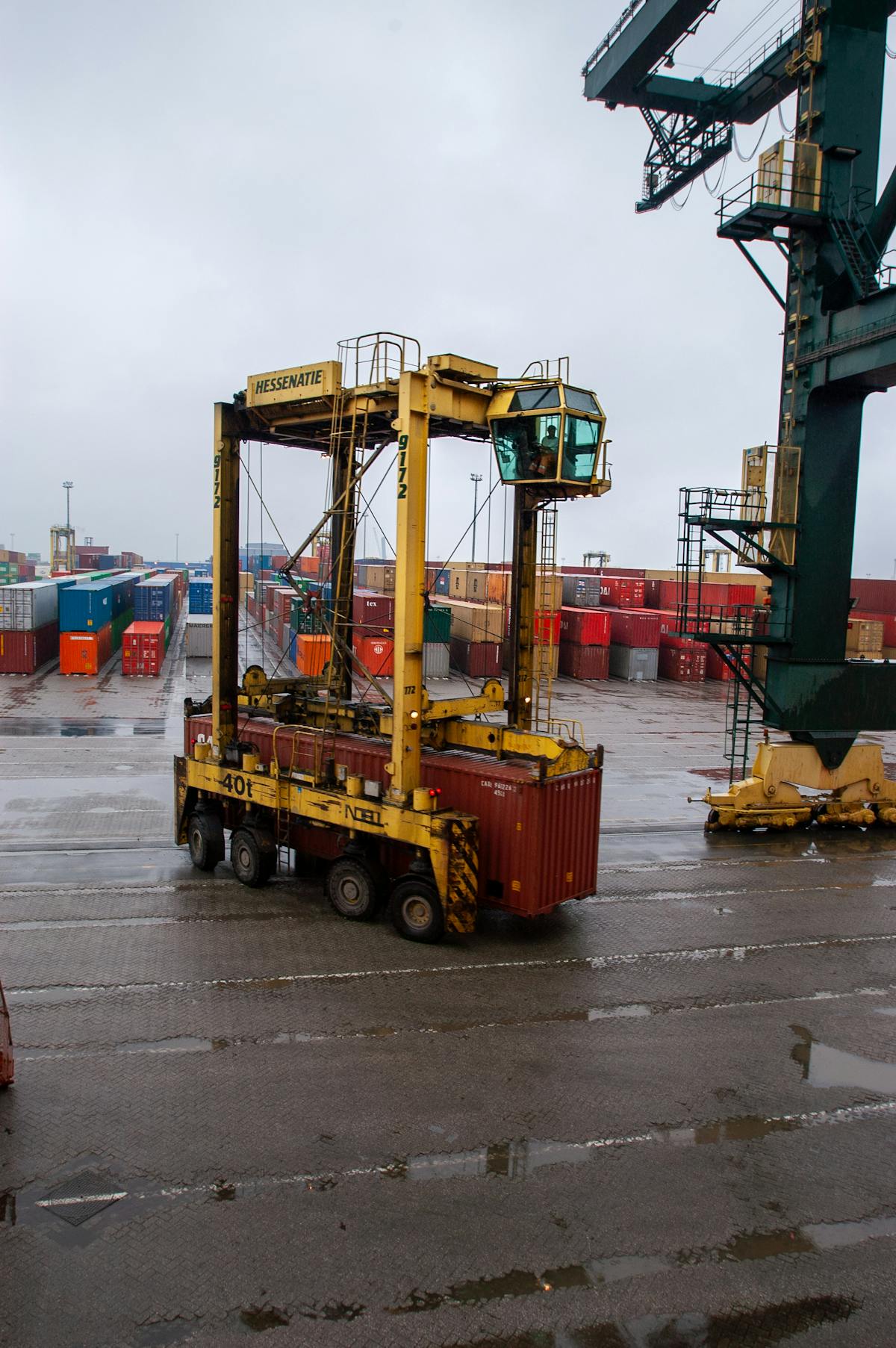
Common Scenarios for Importers & E-Commerce Sellers
Scenario 1: Container arrives at LA/Long Beach Port, needs drayage to warehouse
This is a full drayage workflow: pickup appointment, terminal fees, chassis, drayage, delivery, transloading, empty return — plus potential demurrage/detention risks. Use a professional drayage team.
Scenario 2: Empty container needs to move a few meters at the warehouse
If the ground is flat, space is adequate, and the container is empty, you can evaluate dolly, roller, or toe jack options. A safety supervisor should still verify conditions.
Scenario 3: Container unloaded, cargo needs LTL / FBA truck delivery
The focus shifts from container moving to re-palletizing, labeling, measuring weight and dimensions, and arranging LTL, FTL, or FBA delivery appointments.
Scenario 4: Warehouse needs to rearrange container/storage unit positions
If this happens frequently, plan your yard layout, loading zones, forklift capacity, and truck turning radius in advance.
Information Needed for a Quote
Whether it's drayage, warehouse transloading, short-distance container moving, or LTL/FTL/FBA delivery, prepare the following for an accurate quote:
- Container size: 20ft / 40ft / 40HQ / 45ft
- Empty or loaded, estimated total weight
- Origin and destination addresses with ZIP codes
- Port, rail ramp, CFS, warehouse, or residential location involved?
- On-site loading dock, forklift, crane, or yard space?
- Need transloading, re-palletizing, labeling, warehousing, FBA appointment?
- Time window and free time / detention concerns
- Site photos or video — especially entrance, ground, turning space, and drop location
How ShipOnlines Can Help
ShipOnlines specializes in US domestic logistics: LTL, FTL, port drayage, FBA truck delivery, warehouse transloading, local delivery, and parcel shipping. For container-related needs, we help you determine whether you need drayage, warehouse transloading, short-haul transfer, or LTL/FTL final delivery.
Need a quote? Send us container size, cargo weight, origin/destination ZIP codes, and site photos. Our team will recommend the right option for your situation. Get a Drayage Quote →
FAQ
Can I move an empty container myself?
Potentially — if the ground is level, distance is very short, tools are rated correctly, and the crew is experienced. But if weight is uncertain, ground is poor, or road transport is needed, hire professionals.
Can a loaded container be moved without a crane?
Generally not recommended. Loaded containers are heavy with complex center of gravity. Non-professional methods risk equipment damage and personal injury.
What's the difference between flatbed and tilt-bed?
Flatbeds are for medium/long-distance transport but need equipment at both ends for loading. Tilt-beds let the container slide off, suitable for some short-haul and on-site drops, but require straight-line space.
How is LA port drayage different from local delivery?
Drayage involves terminal pickup, chassis, appointments, empty returns, port rules, and free time. Local delivery is cargo from warehouse to customer address. Different operations and cost structures.
Can a warehouse without a forklift receive container cargo?
Yes, but arrange suitable equipment or services in advance: liftgate trucks, transloading, manual unloading, or professional lifting. Must mention "no forklift" when requesting quotes.